
Simple design provides a clear and unfettered focus on sensational dance as The Australian Ballet premieres new triple bill Prism.
On this very significant occasion of two Australian premieres and a world premiere, Artistic Director David Hallberg dedicated the evening and season to the memory of dance legend Garth Welch, a much revered figure whose life’s work was so vital to the history and tapestry of The Australian Ballet.
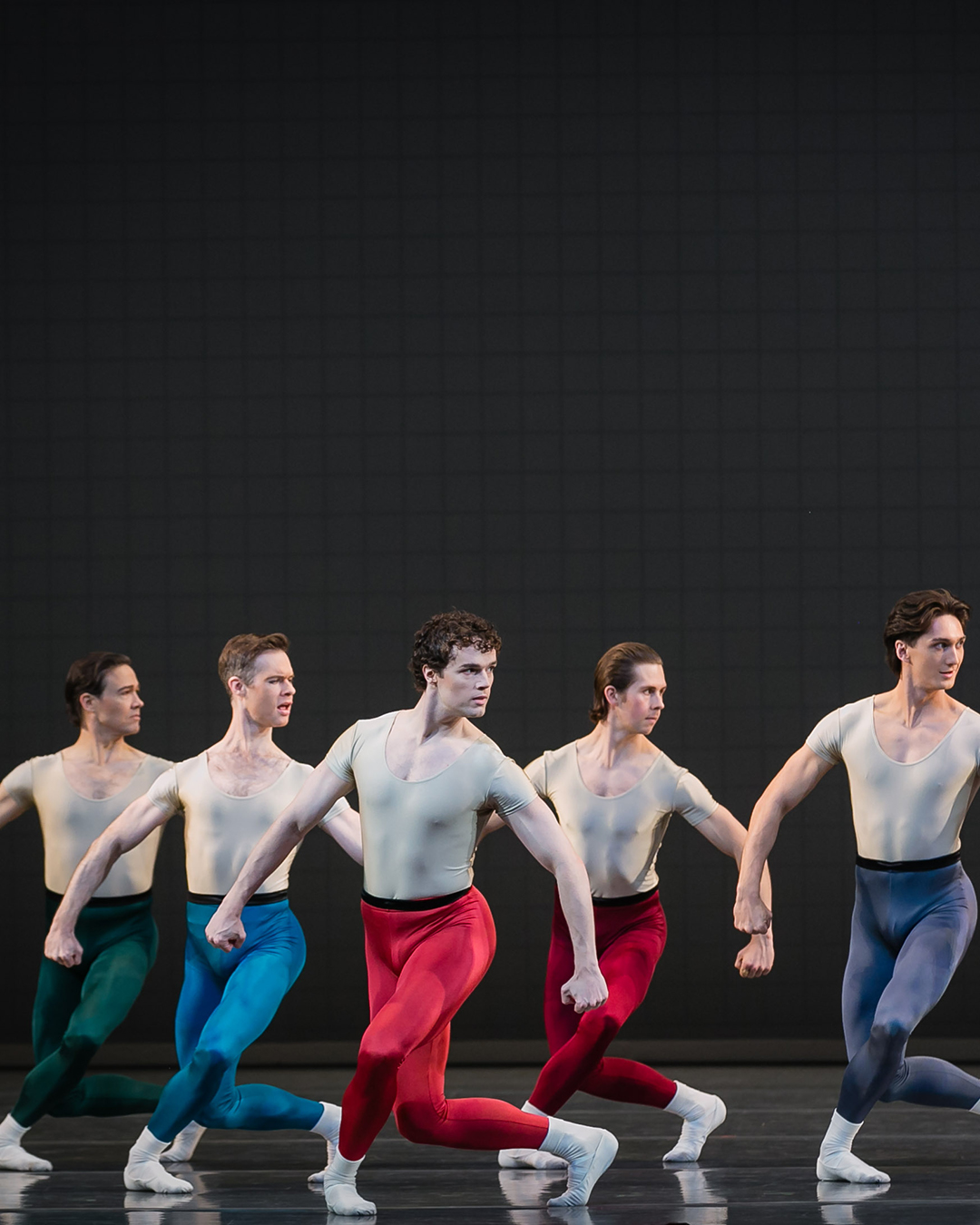
Hallberg’s New York connections have facilitated the premiere of 1983 ballet Glass Pieces by legendary American choreographer Jerome Robbins. Known to local audiences for his ground-breaking choreography for West Side Story, Robbins’ ballets are regularly staged by American Ballet Theatre.
Taking its title from composer Philip Glass, the first of three pieces seems inspired by the busy crowded streets of New York. Elegantly flowing crowds frame three sets of Soloist Couples, with Isobelle Dashwood and Brodie James making a particularly strong impression as Couple 1 with their bold and confident presence. Ben Benson costumes the company in an array of deliciously muted colour tones, with Couples standing out in matching unitards.
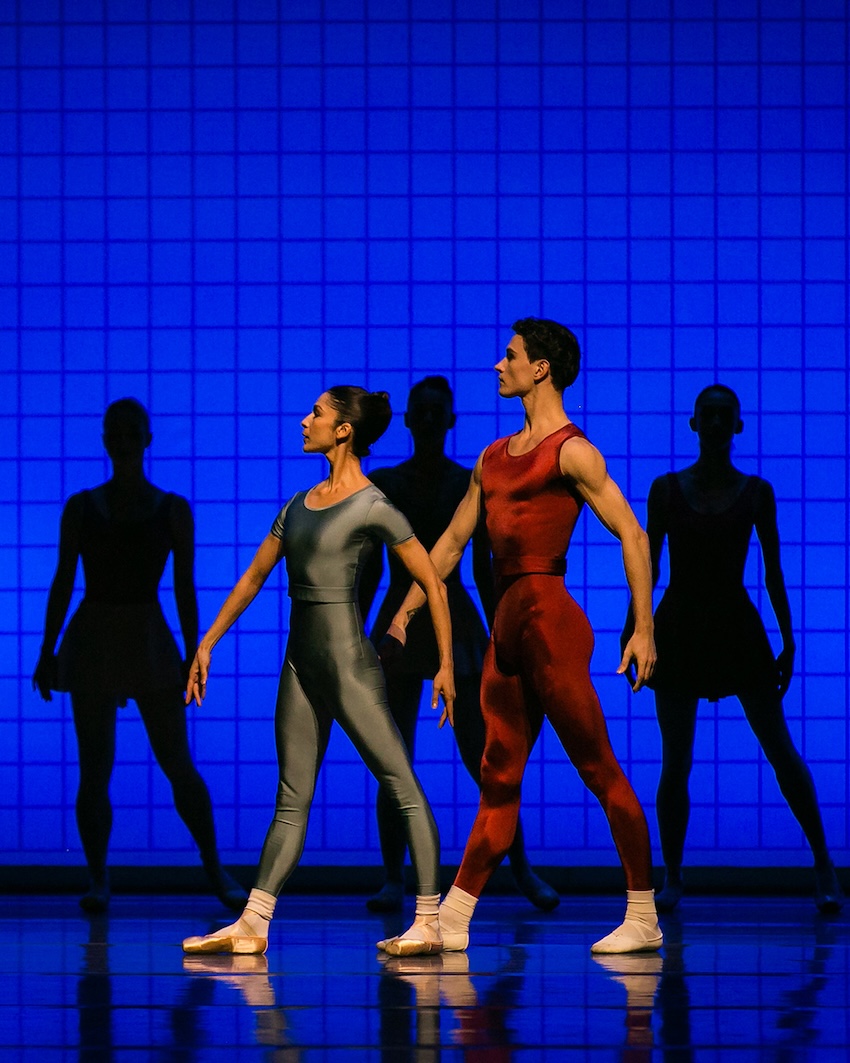
The second piece is backed by an ever-flowing parade of female dancers in silhouette upstage. On opening night, principal artist Robyn Hendricks and soloist Maxim Zenin made for a beautifully matched pairing as Principal Couple.
Colourfully attired dancers fill the stage for the climactic third piece, with the initial troupe of male dancers acceding the stage to the female dancers before the full ensemble combines for a dazzling finale. It might be reductive to mention a hint of Jet-like formation from the men and a vague sense of “Dance at the Gym” from the full company, but these familiar elements of Robbins’ best known work provide a comforting hint of his broader palette of inspiration on stage.
Leading a full contingent of Orchestra Victoria, conductor Charles Barker brought out the hypnotically pulsing effect of Glass’ score, with an early feature being terrific power from the French horns.
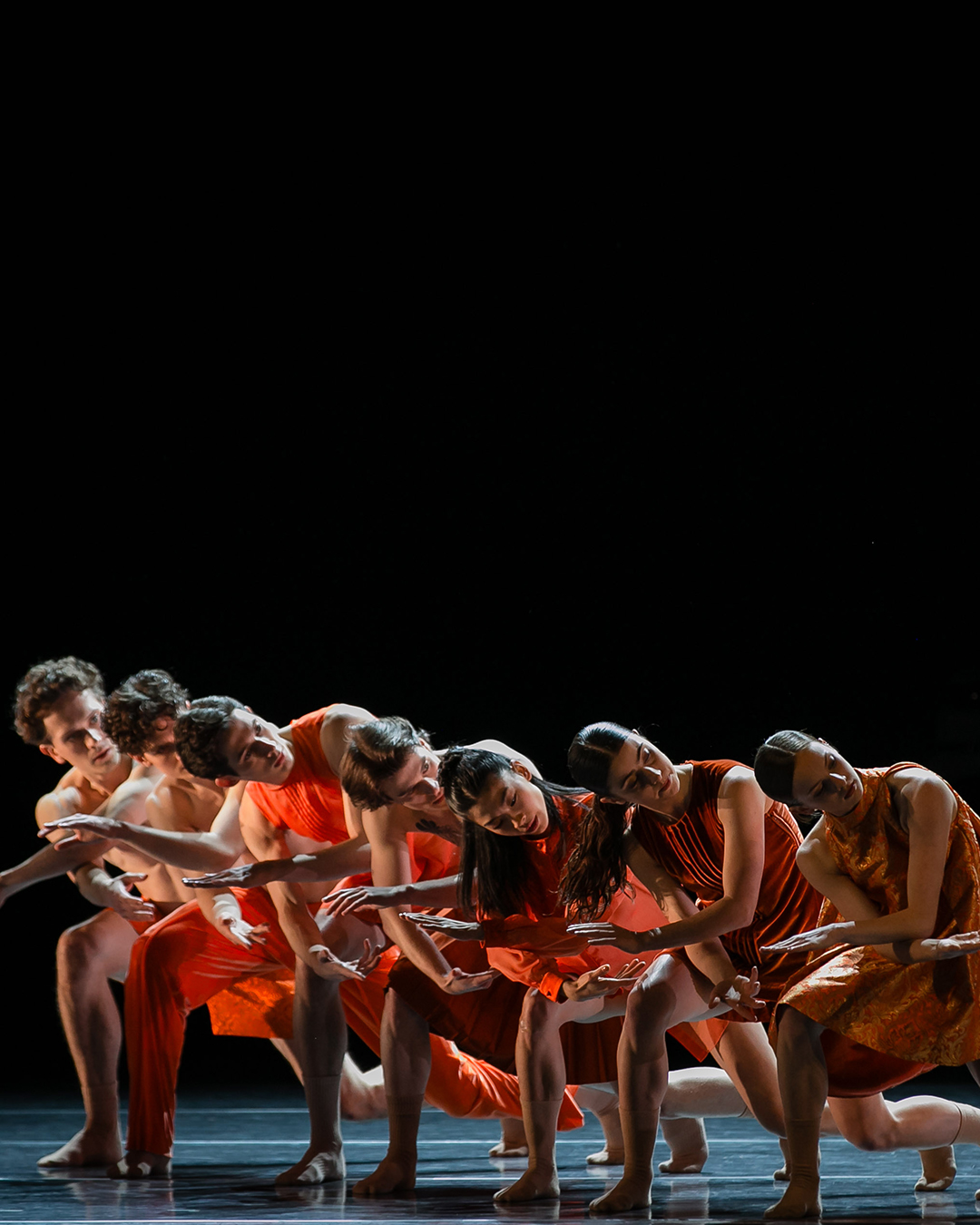
Resident choreographer Stephanie Lake pares back her regular use of vast numbers to choreograph Seven Days on a very tight set of only seven dancers. The clear highlight of the evening, Seven Days deftly blends drama and humour across exacting sharp movement danced with terrifically crisp precision.
Wearing various shades of burnt orange in Kate Davis’ costume designs, the seven dancers appear to portray a set of friends or close associates. As the seven sequences gradually progress, the dancers characterfully challenge and support each other. Sharp canons speed up and down the initial line of dancers, with use of stage expanding as the work progresses. A later sequence sees the dancers each positioned on a large chair downstage, with the action drawing ready laughs from the audience.
A reduced, yet still substantial orchestra plays the elegant arrangements of Peter Brikmanis, based on “Goldberg Variations” by J.S. Bach. The spare staging uses one very large bright light, which shines periodically (and painfully) into the eyes of the audience.
The cast sheet names the full set of seven dancers seen in the world premiere of Seven Days and they certainly all deserve to be mentioned here: Adam Elmes, Benjamin Garrett, Lilla Harvey, Callum Linnane, Samara Merrick, Elijah Trevitt, Yara Xu. The precision and sharpness achieved by these dancers is quite extraordinary, even by the usual high standards of the company.
Seven Days builds to an exciting climax that left the opening night audience thrilled, their approval loudly audible in the triumphant curtain call.
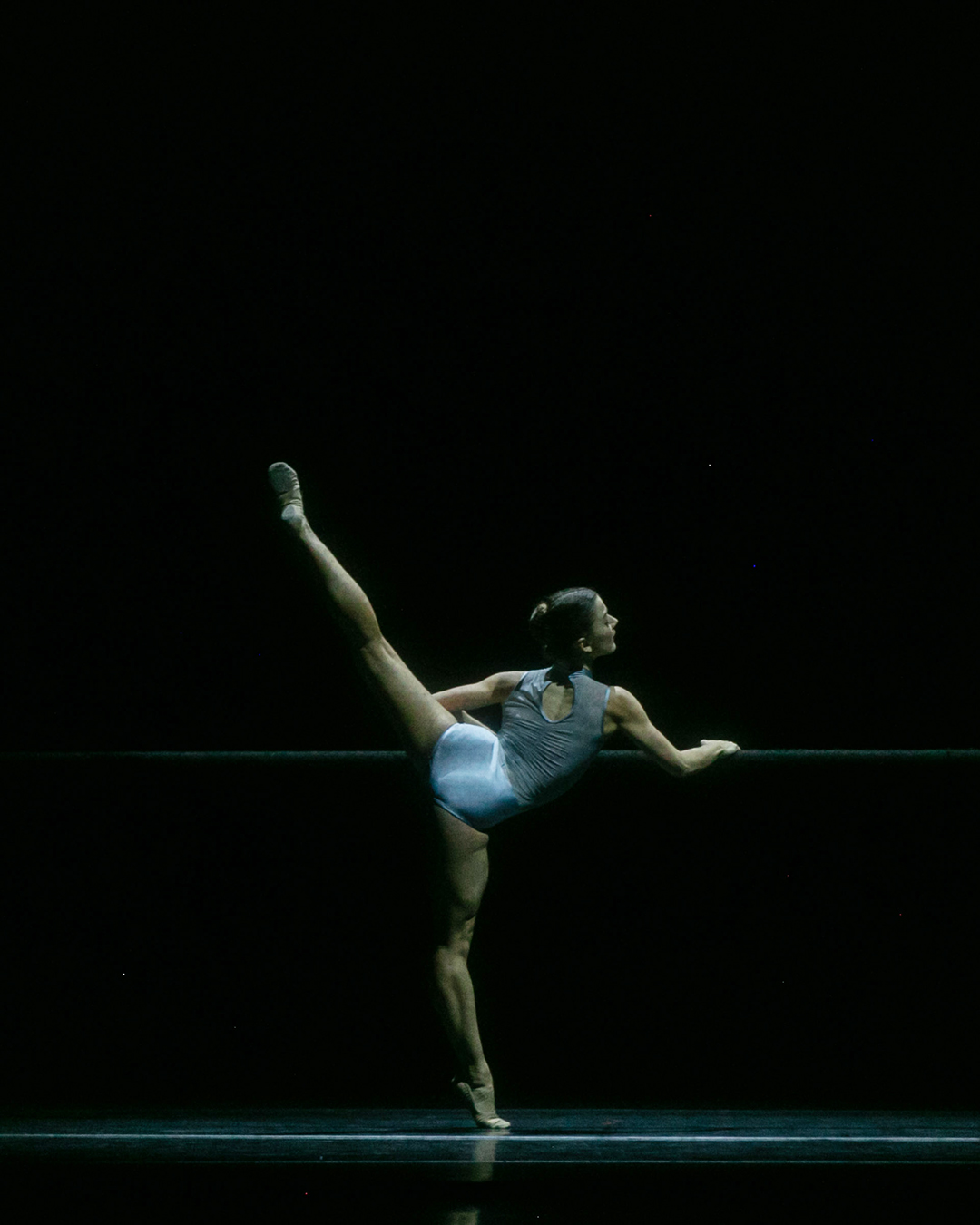
A section of choreographer William Forsythe’s The Barre Project, Blake Works V premiered in 2023 at Teatro all Scala, Milan. The series of works in the Project are inspired by the unprecedented challenges faced by dancers around the world during lockdown, when dance studios and their vital barres were not available.
On a bare black stage, a powerful set of five male and five female dancers present a flowing sequence of short snippets. Crafting a unique blend of modern and classical choreography, Forsythe allows the sheer athleticism and beauty of the dancers to be compellingly showcased. The virtuosic dance builds to an all-too-brief massed finale.
Forsythe himself designed the rather underwhelming black costumes and black staging, which simply involves rear curtains parting to reveal a barre. In one odd sequence, the front curtain is closed and four screens each show an anonymous pair of hands “dancing” at a barre.
Blake Works V is accompanied by recorded electronic music by James Blake. The music provides a solid beat but is played at an overly loud volume and its deliberately unintelligible lyrics become very repetitive.
Stripping away production elements so as to just present the dancers of The Australian Ballet at their best, Prism is a joy for lovers of athletic modern dance.
Prism plays at Regent Theatre, Melbourne until 4 October 2025. For tickets, click here.
Prism plays at Joan Sutherland Theatre, Sydney Opera House until 7-15 November 2025. For tickets, click here.
The Prism cast list and synopsis can be read online.
Man in Chair attended Prism as the guest of a Melbourne Arts Patron.
Photos: Kate Longley
 Man in Chair
great dancing by all and Seven Days with the Bach was superb. However, the electronic music for the Barre piece was horrible, far too loud and shrieking, and I would have walked out if I had been at the end of a row. Such a shame as the dancers were great.
I agree about the music for The Barre Project – what a shame to send the orchestra home and then play unpleasant music like that.