
Melbourne Opera is at the height of their powers as they deliver a truly thrilling new production of Verdi classic Il Trovatore. Musical excellence and compelling dramatic action are perfectly balanced in this expertly prepared, insightfully directed staging.
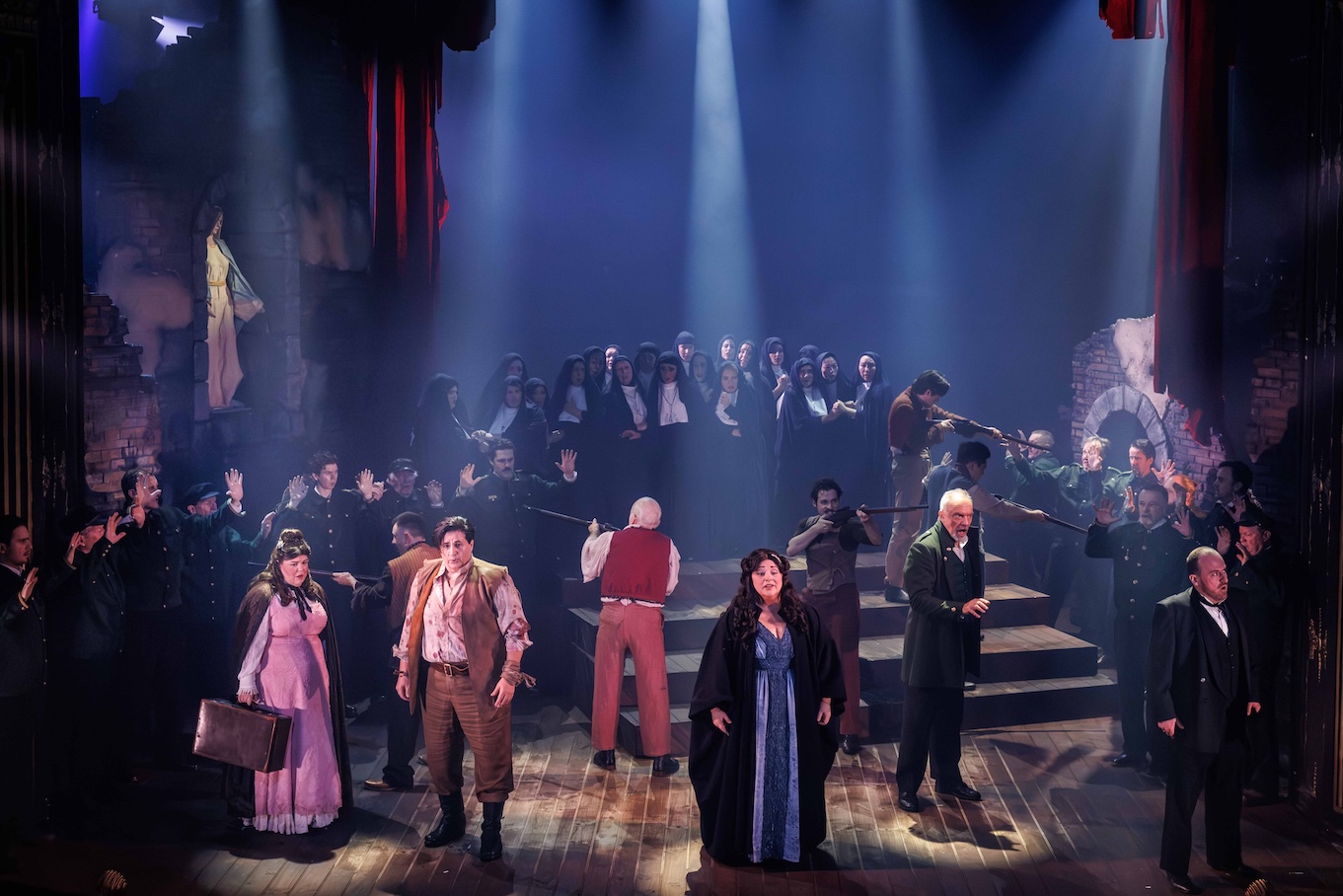
In high rotation on the world’s opera stages, Melbourne has been sadly lacking in seasons of Il Trovatore for many years; thankfully, this production has been well worth the wait.
Conducting the very opera that served as his introduction to the art form, maestro Raymond Lawrence leads the Melbourne Opera Orchestra in a highly detailed performance featuring colourful expression, crisp percussion, and many a thrilling tempo.
Lawrence’s equally exacting preparation of the Melbourne Opera Chorus is heard not just in the glorious wall of sound they often create but also in the beautifully controlled pianissimi sequences. The Chorus responds with gusto to Barclay’s spirited direction, also performing the occasional choreography of assistant movement director Lisa Petty with flair.
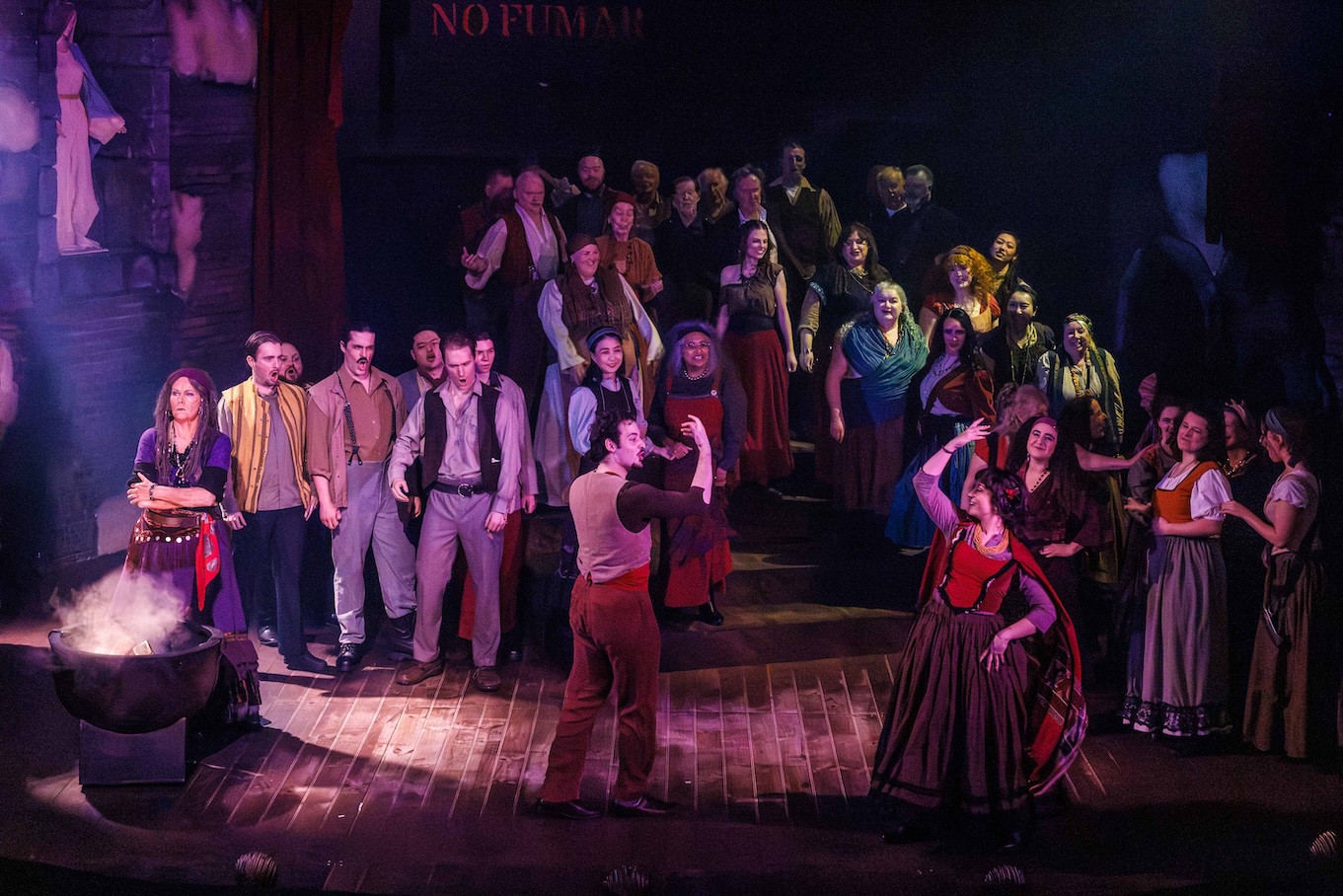
In their wisdom, the artistic committee has invited Matthew Barclay to direct his first production with Melbourne Opera. Bringing many years of experience as a resident director, Barclay handles the relatively confined space of the Athenaeum stage with supreme confidence, dressing and filling the space to provide constant visual interest and a high level of audience engagement.
Noting that the heightened plot of Il Trovatore resists logic, Barclay judiciously, and literally, takes a theatrical response, setting the opera in an abandoned theatre. With the period updated to early 20th century Spain, the ruined theatre is described in Barclay’s Director’s Notes as “a scarred storytelling space remembered after upheaval and neglect” where “…the story feels condemned to play itself out again.”
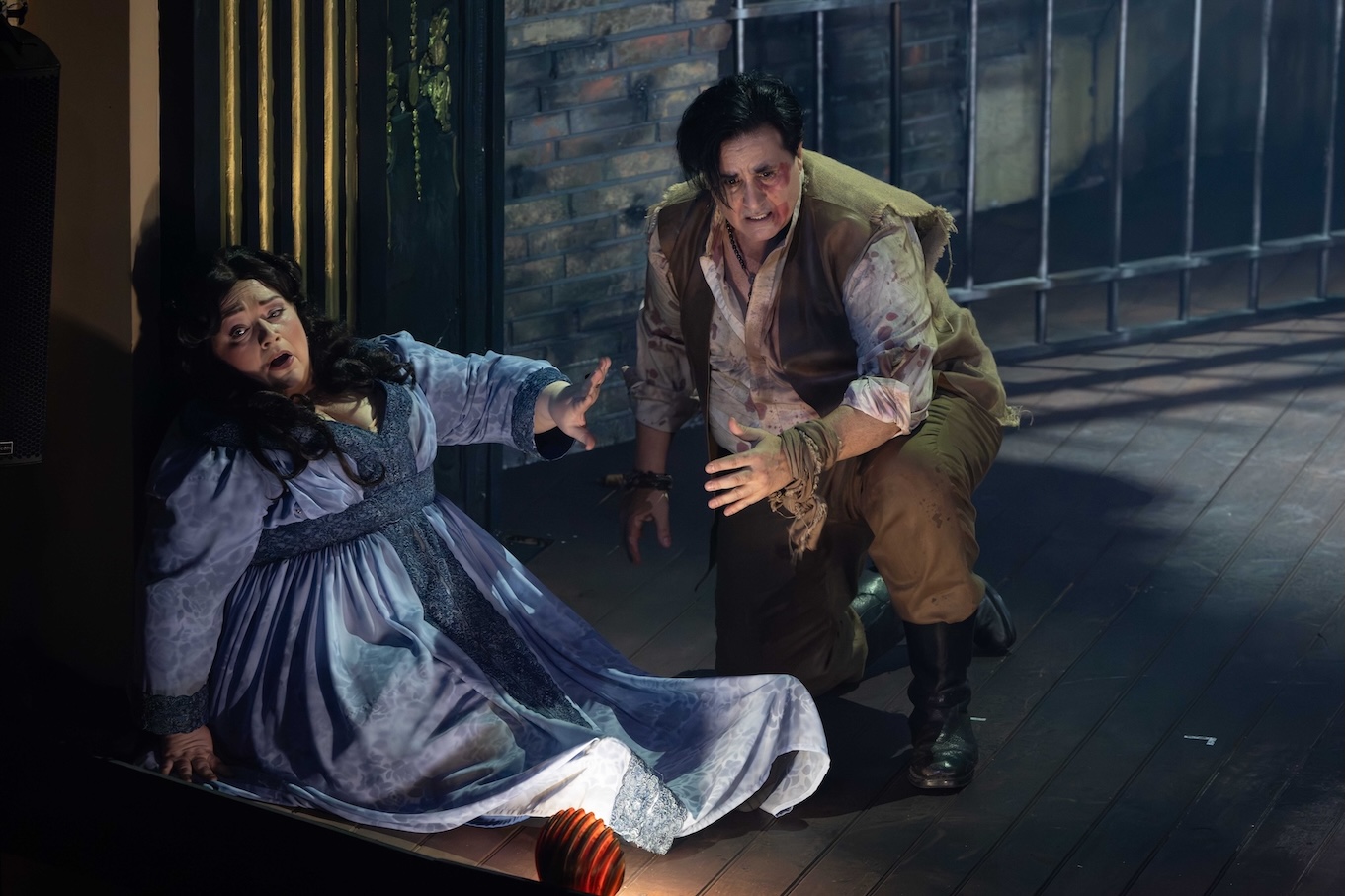
Set designer Jacob Battista crafts an intriguing space with remembrances of a life past as a fully functioning theatre. A central platform and steps allows for multiple performance heights, used to full advantage throughout the opera. The single setting allows for a smooth, streamlined flow between scenes, with just small items added to deftly suggest the locations of the story’s multiple settings. Visual interest is enhanced by the atmospheric lighting design of Tom Vulcan.
Costume designer Maya Anderson adopts a dark, brooding palette, giving each principal characters a distinctive an evocative signature colour. The bottle green jackets of the military are a particularly handsome touch.
Melbourne Opera has readily attracted the four great singers that are required to successfully stage Il Trovatore, with, I would argue, one extra thrown in for good measure.
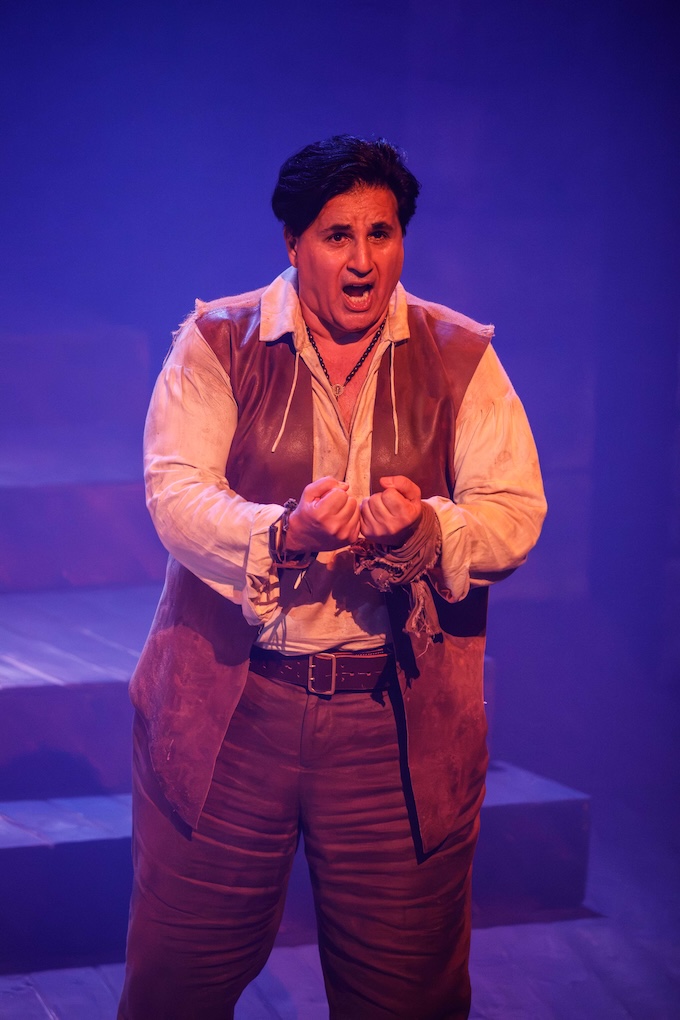
In superb form, Rosario La Spina plays troubled troubadour Manrico with dashing presence. La Spina sings the heroic role with powerhouse vocals, gorgeously coloured with an ardent sense of romance. As act three concludes, La Spina builds to the thrilling cabaletta “Di quella pira,” achieving a response at the opening performance that can only be described as “bringing down the house.”
Helena Dix brings delightful tenderness to heroine Leonora. Dix’s opening scene is perfectly calibrated, building little by little as the audience engages with the dear character. With acts three and four running together, Dix neatly follows the highpoint of “Di quella pira” by adopting the gentlest possible delivery of “D’amor sull’ali rosee,” successfully having the breathless audience keenly lean into her performance. Even in the most heightened scenes, Dix expertly focuses upon the emotional truth of the role and the story, to wonderfully affecting results.
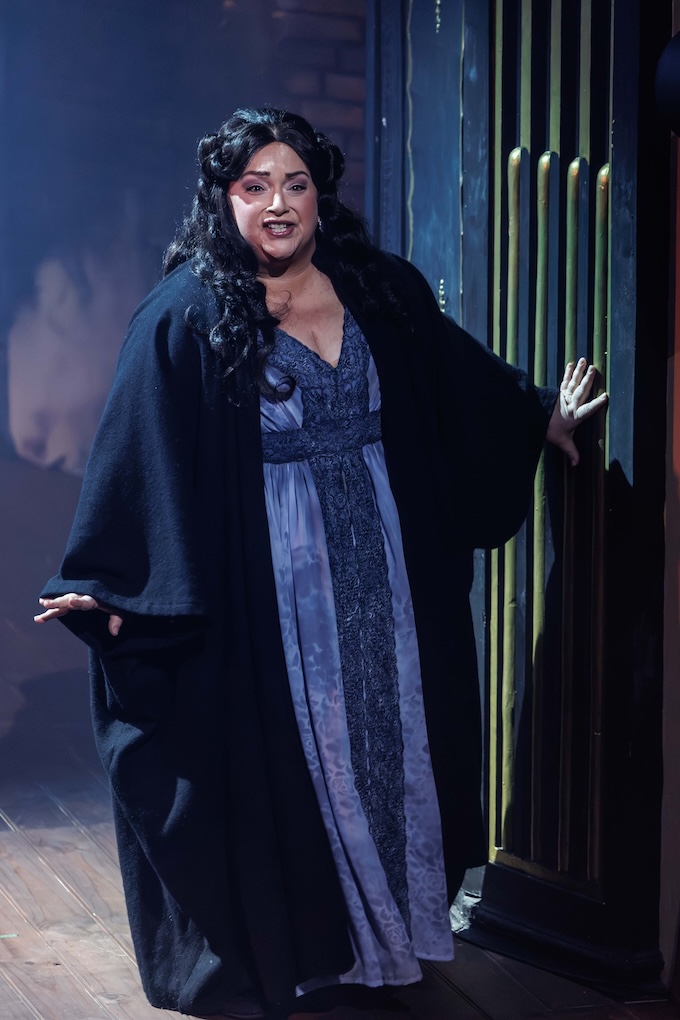
Christopher Hillier brings subtly devilish menace to Count Di Luna, increasing the dramatic intensity of the role by neatly underplaying his threats and machinations. Gently ponderous aria “Il balen del suo sorriso” is a memorable highlight of Hillier’s highly accomplished performance.
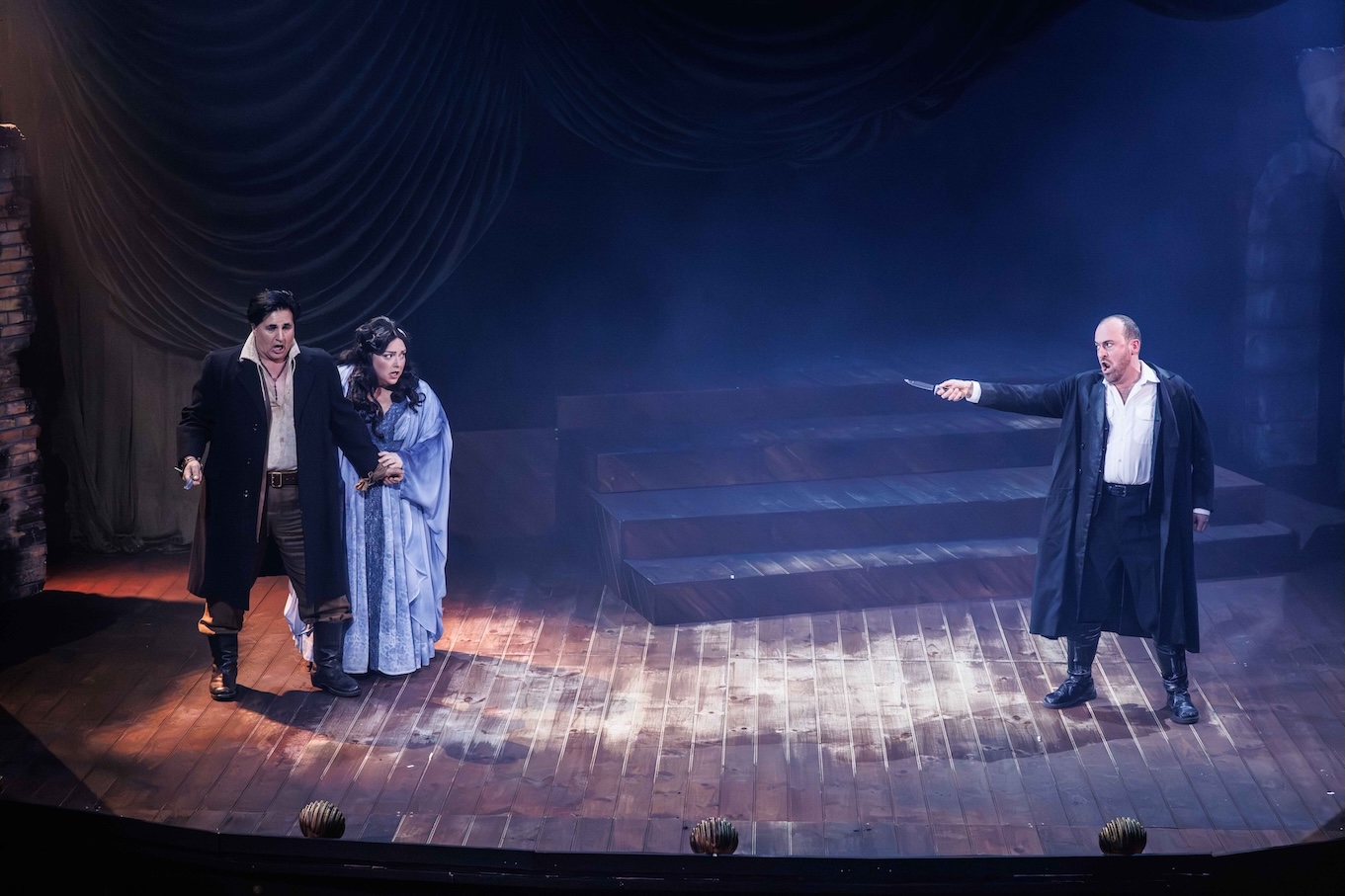
Mezzo soprano Sarah Sweeting takes on haunted Romani woman Azucena, playing the role in a straight and sincere manner to striking effect. As Azucena tells Manrico of her tragic error of years ago, Sweeting’s serious delivery makes the dramatic story more authentic and, hence, all the more impactful.

Stalwart bass Steven Gallop brings his innate musicality to military officer Ferrando, setting the high standard to come as he dynamically tells the opera’s backstory in opening racconto “Di due figli vivea padre beato.”

Amanda Winfred provides sympathetic support as Inez, devoted confidante to Leonora.
Special mention to Josh Erdelyi-Götz who more than holds his own as Manrico’s loyal henchman, Ruiz.
An opera seen far too infrequently in Melbourne, the sterling quality of this season of Il Trovatore should have local opera lovers queued around the block to get into the Athenaeum. Miss this at your peril.
Il Trovatore plays at Athenaeum Theatre, Melbourne until 30 August 2026. For tickets, click here.
Melbourne Opera has dedicated the season of Il Trovatore to the centenary of the birth of Dame Joan Sutherland.
Photos: Robin Halls


Sounds like a great production Simon. I must go and see it. How do they fit the orchestra in as there’s virtually no pit to speak of? Perhaps they moved some of the front rows out like we did for Les Mis? The stage is also quite shallow and therefore I can see how having a set with different level would work very well. Good to hear that La Spina is in good voice – not one of my favourite locals, so I’m interested to hear for myself. Costumes look good in the pics, and the chorus look good too! CJH.
Thanks, Christopher.
Sounds like you have not been to the Ath for several years! Thanks to a generous donation from Lady Potter, renovations were done in 2009 to add an orchestra pit that seats 50 musicians!
The acoustics are wonderful in the theatre for opera – dress circle seating is recommended.
I hope you enjoy Il Trovatore.