
Artfully created with tender care and expertly performed with empathetic insight, world premiere opera The Spare Room is an engrossing and affecting work.
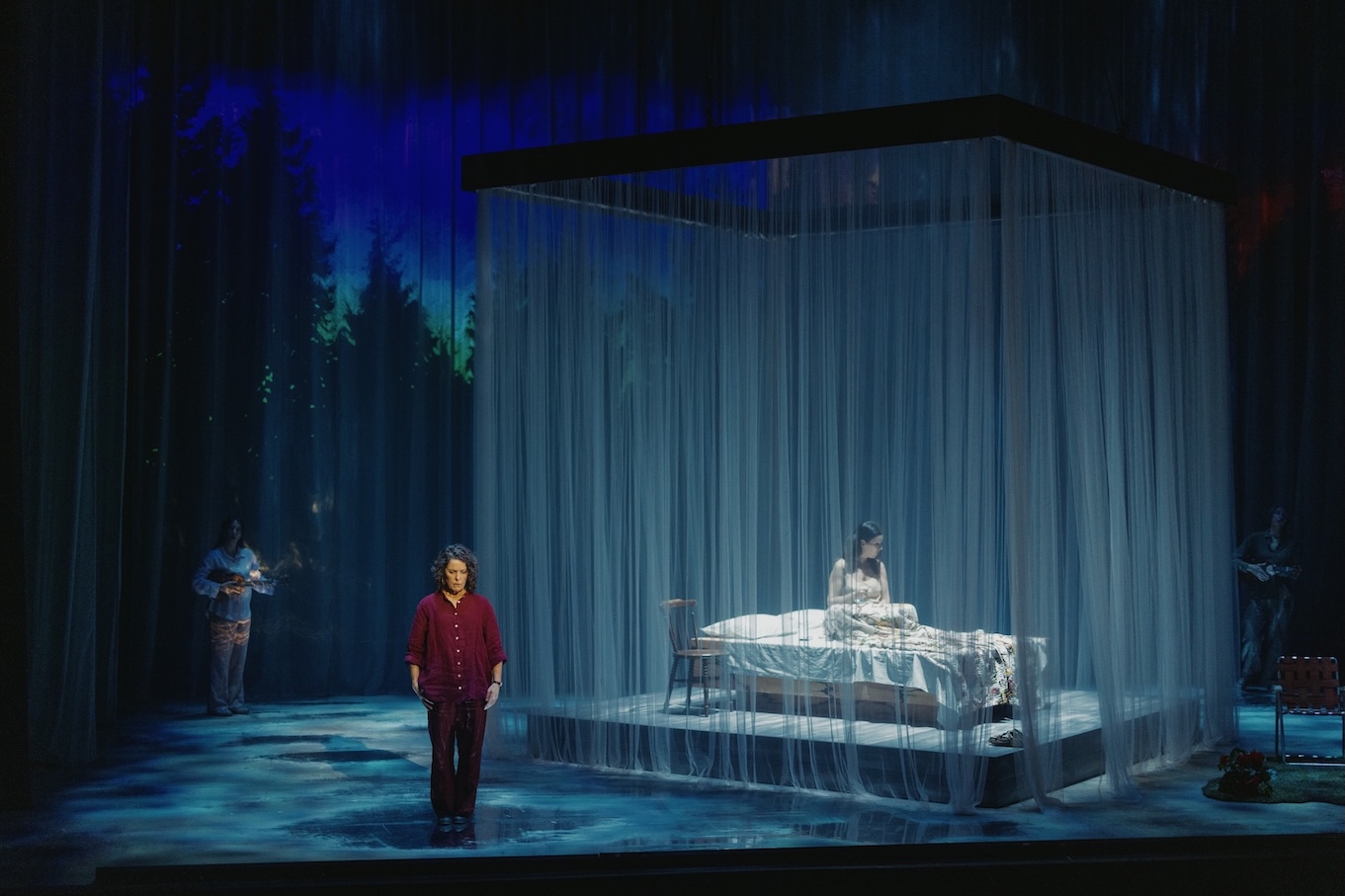
Perennial champions of new work, Victorian Opera has shown extraordinary dedication to the commissioning of new works across their 21 years. There is the sense of a special magic around The Spare Room, being a contemporary work that is definitively set in Melbourne. “Come on Melbourne it’s supposed to be Spring” is a line that could readily have been uttered over the past few grey, rainy Melbourne October days.
In her celebrated 2008 novel The Spare Room, author Helen Garner fictionalised her personal experience caring for a friend with terminal cancer. Nicola arrives from Sydney to stay in Helen’s spare room while undergoing alternative treatment in Melbourne. Whilst this scenario gives the vibe of a weepie tv movie, the reality is far more interesting and involving.
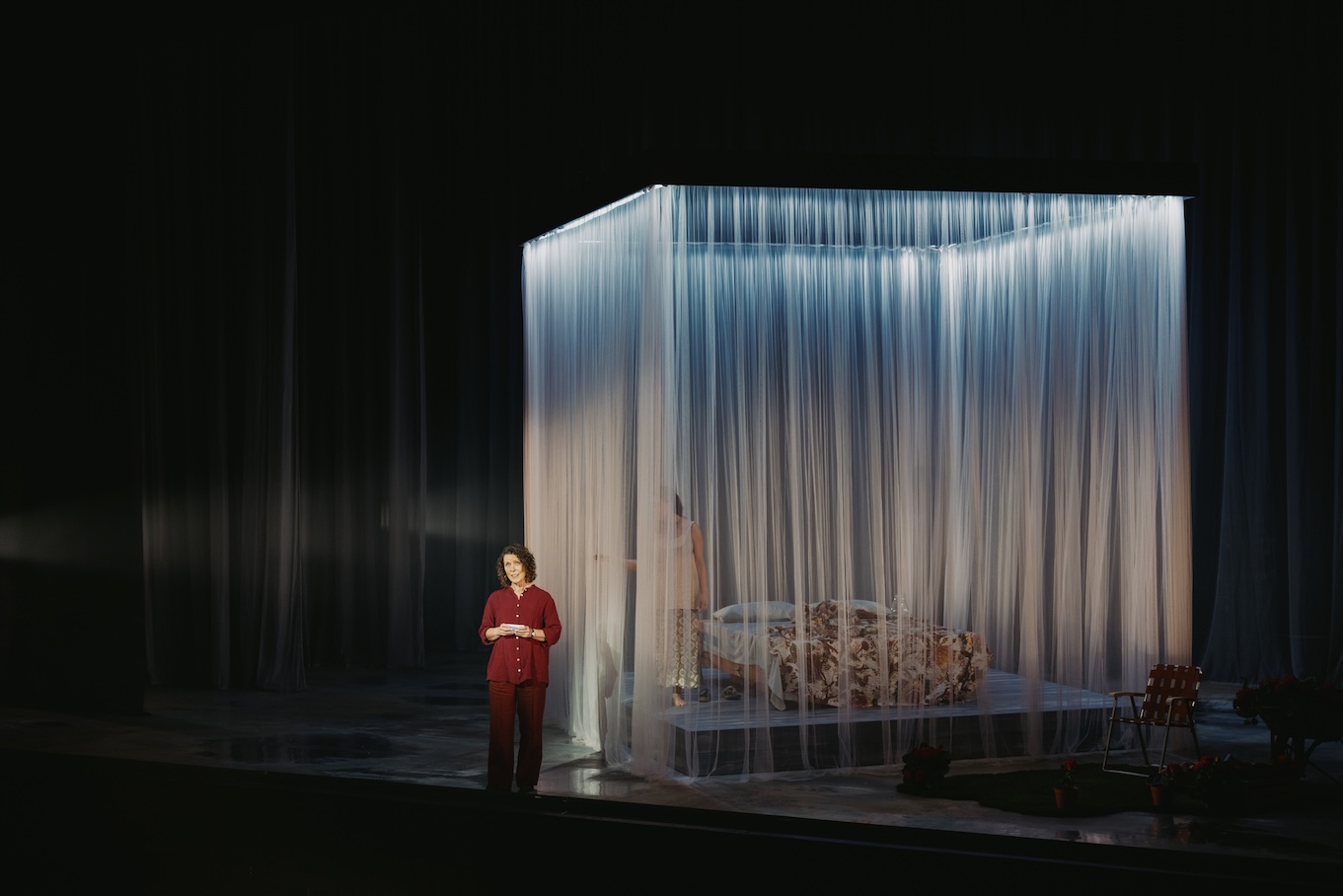
Librettist Therèsa Borg retains the warm humour of Garner’s prose, deftly including language and references that instantly engage the local audience. There is a pressing tension as the three weeks of the story unfold, with Helen, and, indeed, the audience, clear that Nicola’s cancer is terminal and that the Vitamin C treatment of the Theodore Institute is the work of medical practitioners on par with snake oil salesmen.
Borg explores the inexorable power of the lies we tell ourselves and the conflict this raises with the truth that others observe. A sensible Melbournite, Helen is the first-person centre of the opera, with breezy Sydneysider Nicola the more unknowable presence. Much as Nicola is the one with cancer, it is Helen who ostensibly suffers, facing the looming spectre of death and the futility, even harm, of the treatment.
Composer Jane Hammond has crafted an eclectic score, successfully merging a strong classical influence with vivid representations of worldly sounds, such as sweet birdsong and intrusive mobile phone ringtones. In line with Garner’s own musical focus, there is a delightful inclusion of ukulele playing, a sound that instantly suggests a cozy, characterful warmth.
Conductor Phoebe Briggs leads the 13-piece Victorian Opera Chamber Orchestra in an expertly polished performance of the new score. Hammond’s music both reacts to the drama and instigates reactions, and the musicians bring the work to rich, stirring life. Briggs’ work in realising the world premiere extends to thorough preparation and support of the seven singers, whose voices often work like additional instruments in the score.
Experienced drama director Sarah Goodes makes a highly auspicious debut as an opera director, showing the surest possible hand in guiding the work from the page to the stage. The languid performance style perfectly matches the gentle flow of scenes in the score, and a perfectly neat balance is struck between magic realism and grounded reality.
Goode’s vision is ably supported by set and costume designer Harriet Oxley, who positions the titular spare room on a platform centre stage surrounded by gauzy curtains that atmospherically pick up the delicate lighting design of Paul Jackson and the subtle projection designs of Rhian Hinkley.
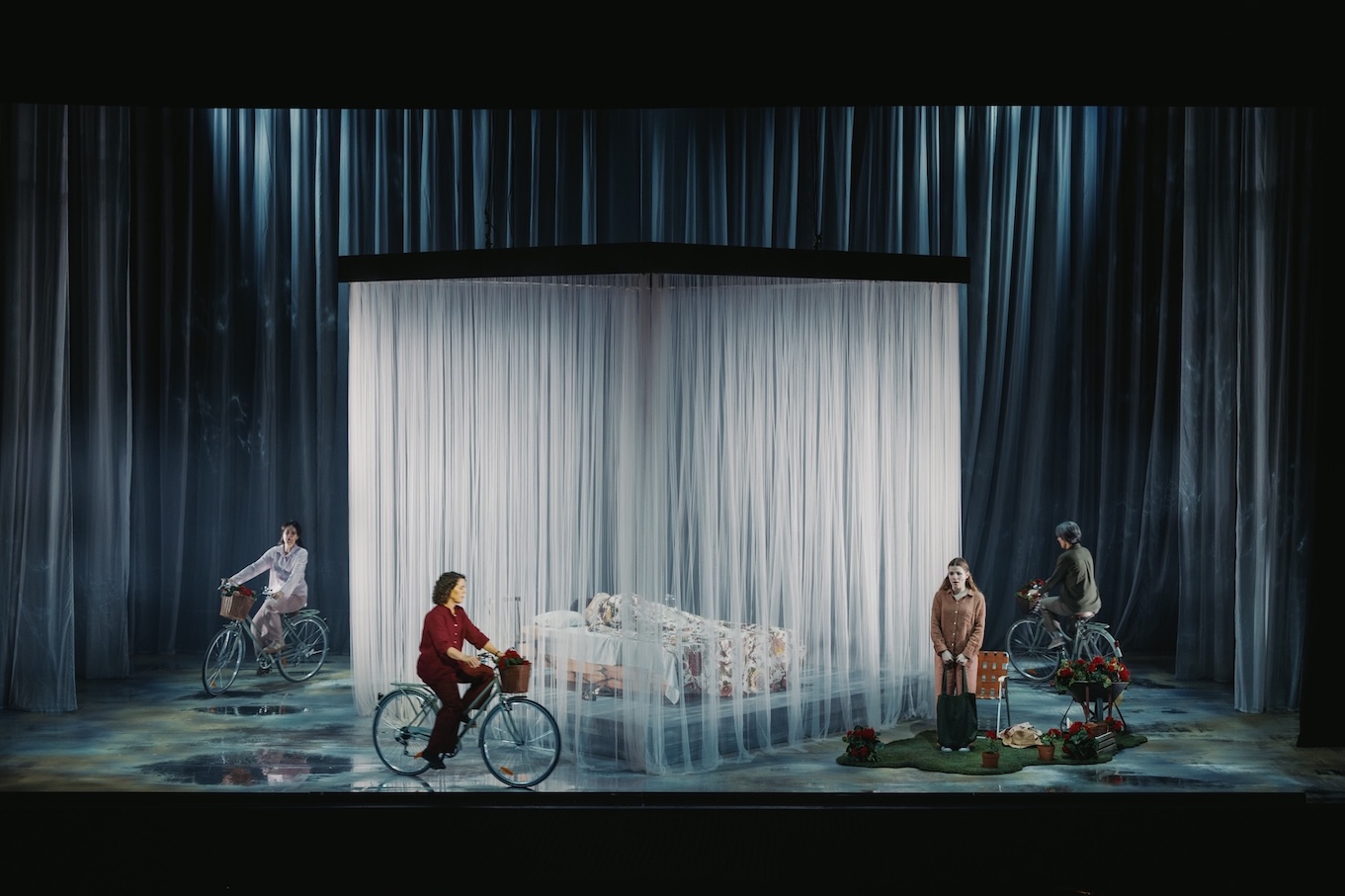
On stage throughout the whole opera, soprano Natalie Jones affectingly conveys the surprising journey of Helen, from excited friend preparing the spare room to determined supporter confronting the doctors. Clearly conveying Helen’s mix of compassion, frustration, and sorrow, Jones has the audience firmly on her side in her highly memorable performance.
Fellow soprano Antoinette Halloran delights with her portrayal of the magnetic vibrancy of Nicola, simultaneously eliciting frustration both at the unfairness of her plight and at the blindness she shows to her acceptance of her alternative treatment. Halloran and Jones share terrific chemistry, readily portraying a world of shared history between the two dear, yet different, friends.
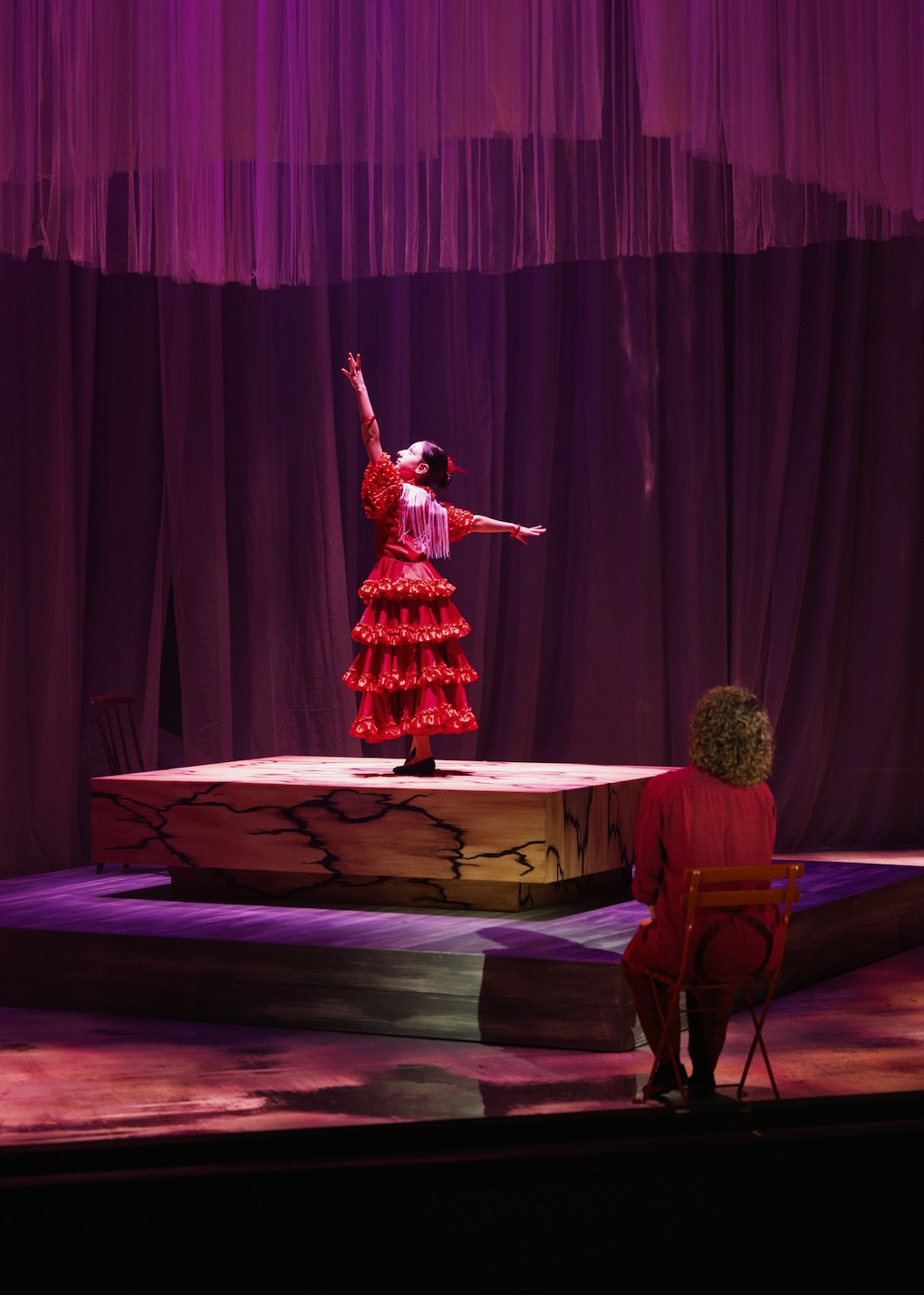
As the lone male voice, bass-baritone Adrian Tamburini fearlessly portrays the doctors as little more than slippery hucksters. At this opening night performance, young artist Scarlett Sheludko shows a polished and mature presence alongside her adult co-stars, singing and dancing the role of Helen’s granddaughter Bessie with sweetly understated flair. Shelduko shares the role of Bessie with Juliette Tancredi.
The ensemble is completed by Emily Bauer-Jones, Carrie Barr, and Rachael Joyce, each of whom contribute invaluable vocal and acting performances.
The cohesive result of the devoted collaboration of a wonderful range of talented creative practitioners, The Spare Room is an operatic achievement to be celebrated.
The Spare Room plays at Playhouse, Arts Centre Melbourne until 10 October 2026. For tickets, click here.
The Spare Room program can be read online.
Photos: Charlie Kinross

