
Engaging, thought provoking, and ultimately quite cathartic, new Jewish-Australian musical After The Flood reimagines the story of Noah’s Ark is a modern urban setting.
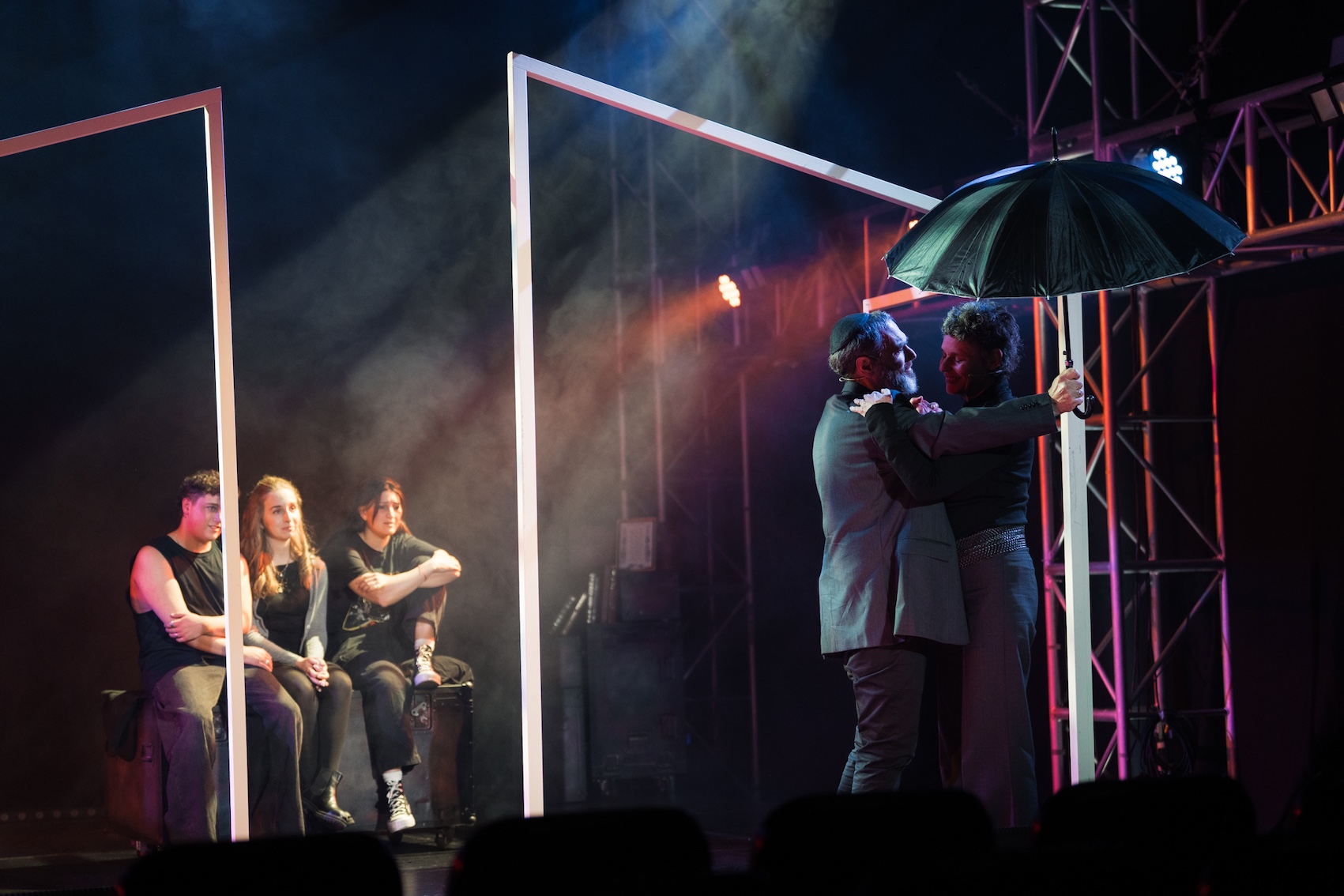
After The Flood is the brain child of Ari Jacob, who is credited as creator, composer, and producer. Jacob’s collaboration with co-writer Josh Gurgiel and arranger Adam Starr has resulted in a tight, cohesive chamber musical for five performers with an economical running time of 110 minutes (including 20-minute interval).
While there are a couple of clunky lines of exposition, the dialogue overall is pleasingly natural. Particularly impressive is the quality of the score, which is very enjoyable to hear and easily accessible at first listen. It is meant as no small compliment to say that the light rock style of the score brings to mind Broadway musical Next to Normal, another musical about a troubled family, also unhappy in their own distinct way.
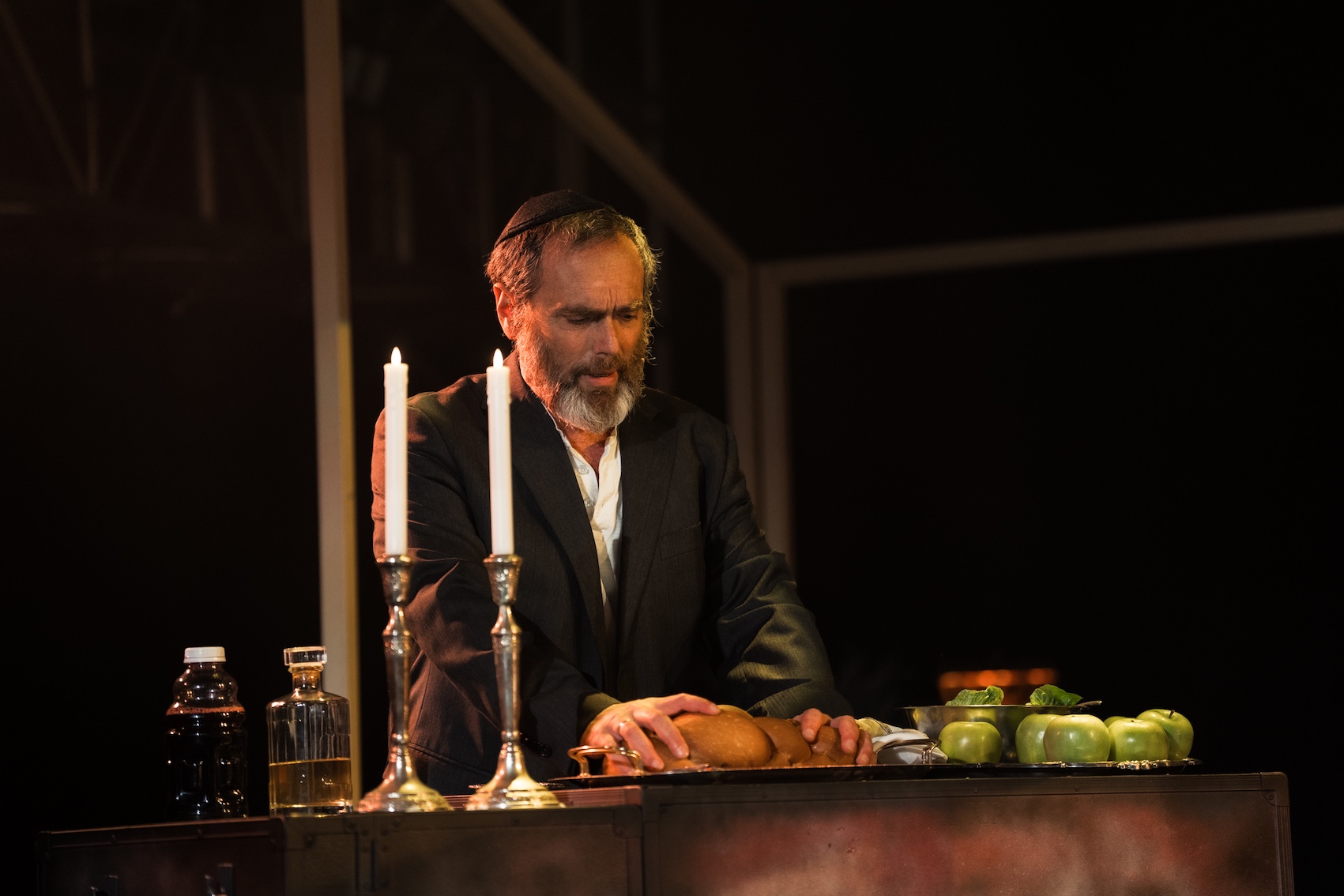
Following a brief sombre prologue which sees the four remaining family members mourning their patriarch, a key hook to involving the audience is the early scene of the family gathering for Sabbath. The audience is readily able to recognise and identify with the motivations and tensions in this scene.
Noah and wife Naama have three young adult children: Yafet, who has been dating a “goy boy,” Ham, whose homosexuality has been accepted but his friends less so, and Shem, who recently has been hard to shake from a depressive state. The focus of family concern soon shifts from the children to Noah himself when he shares the vision he has been foretold, a concept the family doubts due to Noah’s drunken state at the time. Nonetheless, Noah soon has the family onside and they begrudgingly join forces to prepare an ark.
The relatively simple scenario of the plot allows plenty of time for spotlighting the inner thoughts and feelings of each family member, with solo musical numbers organically performed by each character as they reflect on the situation and consider their reactions to it. A particularly affecting aspect of this is the growth of Shem, who is the first to believe her father and who begins to emerge from her depression thanks to a dear little dove she finds and cares for at the beginning of the storm.
While it might have seemed that the “flood” would be a metaphor for a modern day crisis, there actually is a literal flood at play and yet the musical can still be viewed as an allegory for the price of protecting loved ones from existential danger.
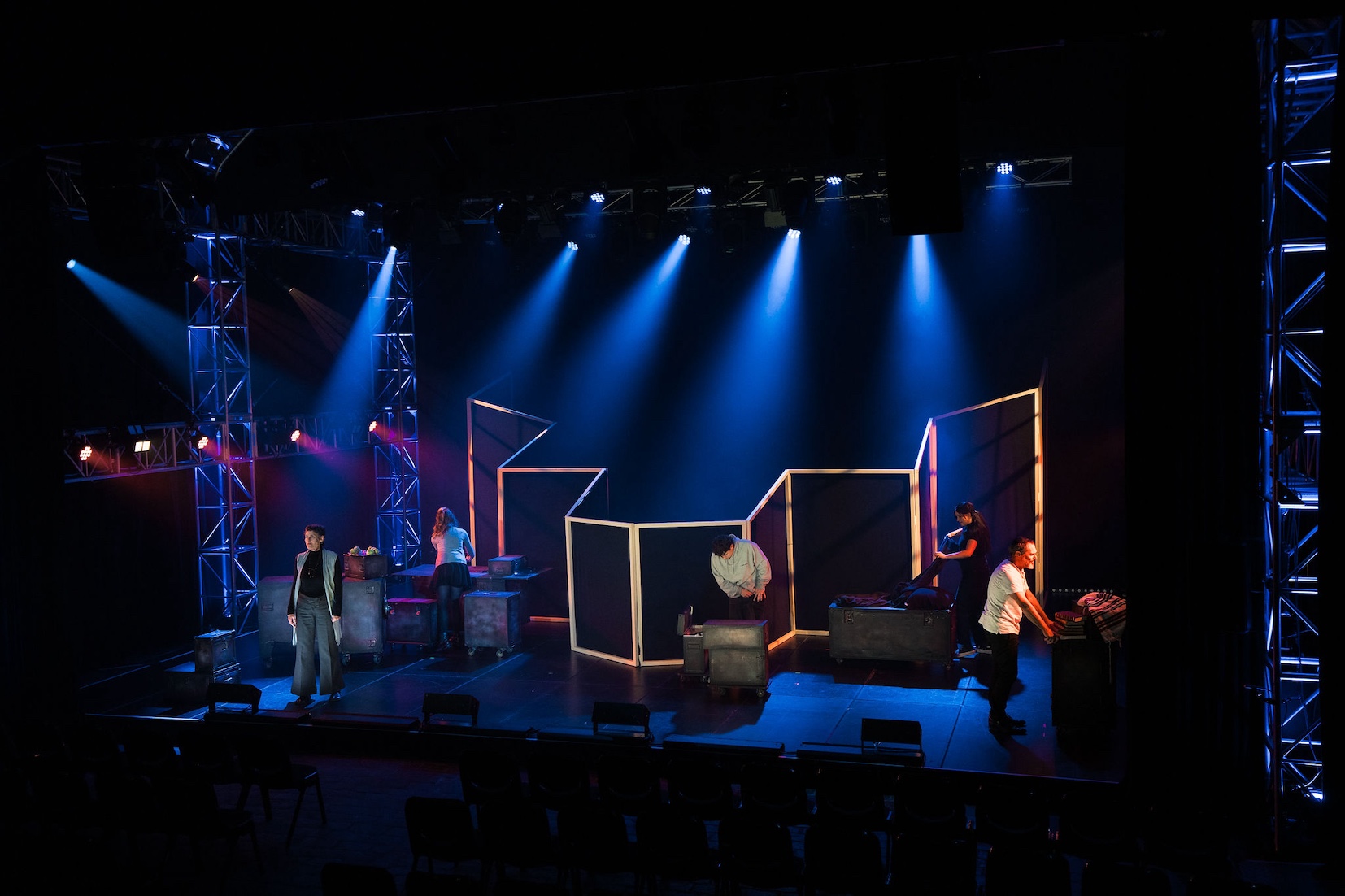
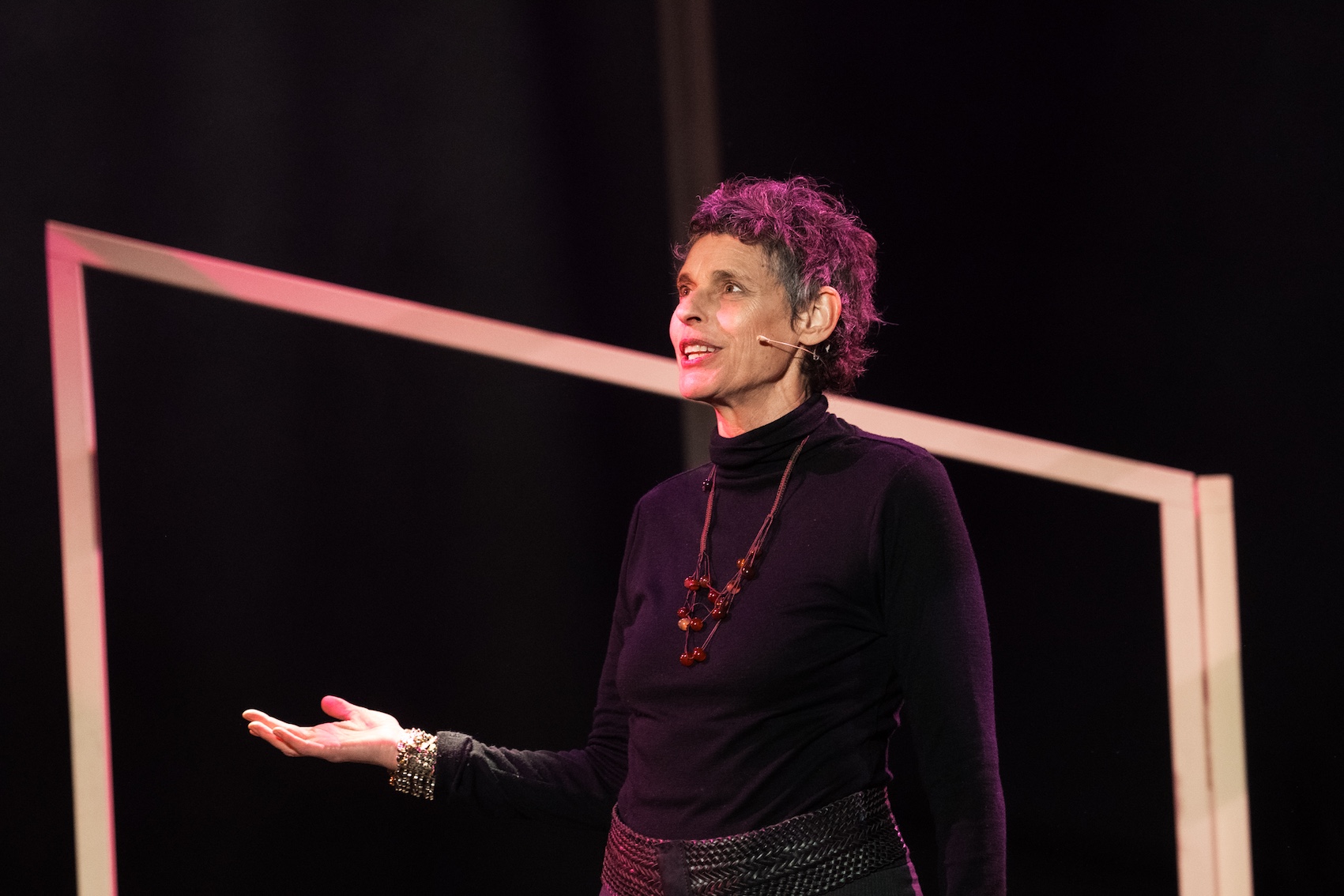
Director Rebecca Skovron confidently stages After The Flood in an open, fluid space, with the cast members continuously rearranging the light frames designed by Atreya Fain and Tunni Kraus to represent various settings. Lighting designer Jason Bovaird unites the performing space with neatly symmetrical shafts of light, adding to the drama with blue rain, flashy lightning effects, and, finally the green of new hope.
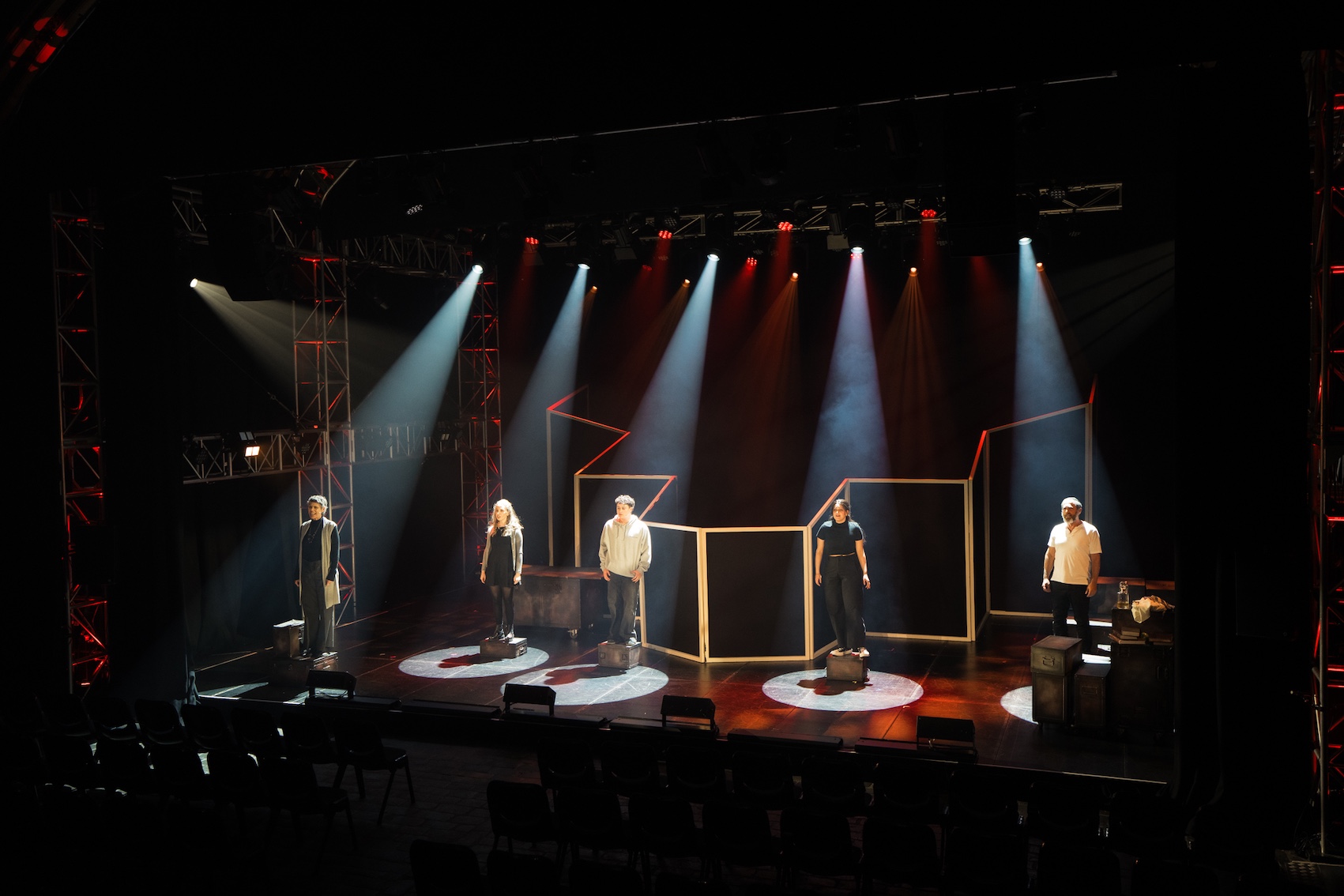
Musical director Adam Starr has prepared the vocal performances to a polished standard that greatly aids audience enjoyment of the new score. On guitar, Starr conducts eight fellow musicians in a perfectly smooth musical performance, further supporting the immediate accessibility of the music.
Skovron’s direction sees the family dynamics ringing true, with natural performances from all five cast members making the heightened story come across as believable.
Simon Starr creates a complex figurehead in Noah, loving his family and yet struggling to allow them to live their own lives. A wonderfully natural, earthy singer, Starr is a pleasure to hear in song.
Prolific recording star Deborah Conway makes a seamless transition to the musical theatre stage, playing Naama as a mother carrying the weight of all strained familial relationships whilst having agency of her own. As can be imagined, Conway brings significant expression and power to her vocal performance.
Michelle Swersky effectively captures the dilemma of dating outside one’s faith, presenting Yafet as a successful and confident young woman in all areas except dealing with her father.
Eli Faraday plays Ham with a merry twinkle in his eye, creating a young man who is boldly self serving and yet also very caring of his family.
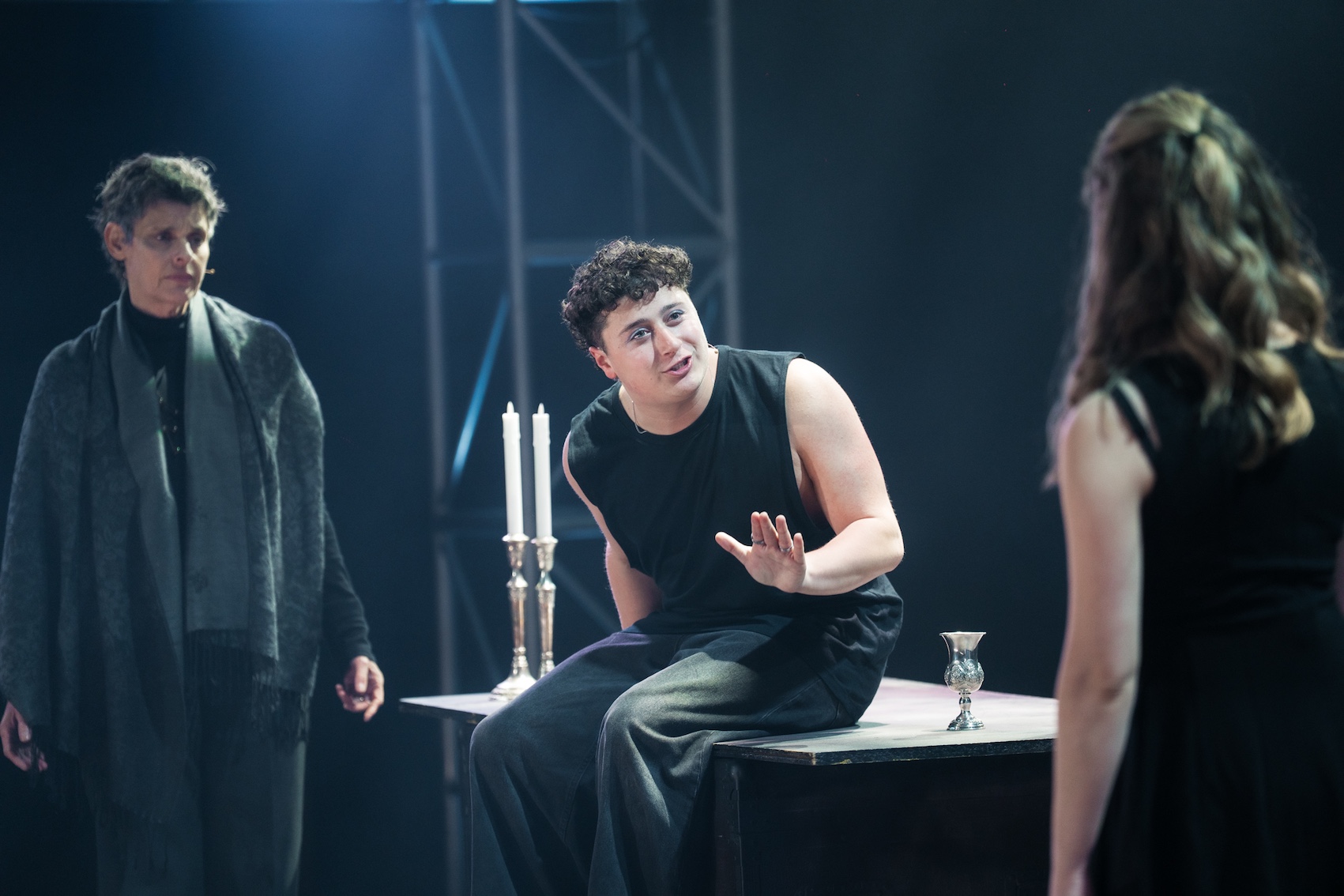
Amira Cherie draws the audience towards her deliberately sullen characterisation of youngest daughter Shem, saving her more radiant presence for the later scenes of growth and hope.
After this all too brief premiere season, it is hoped that After The Flood finds a broader audience to share its message of hope.
After The Flood plays in Melbourne until 9 November 2026. For tickets, click here.
Photos: Matt Cook
Categories: Music Theatre, Reviews

